The selection of transportation for a wedding ceremony and celebration is a pivotal logistical decision, one that invariably contributes to the overarching aesthetic and punctual execution of the event. When considering a venue within the distinguished, yet geographically constrained, confines of Vancouver’s Downtown West End, the choice of a luxury vehicle, such as a limousine, transcends mere conveyance; it becomes an essential component of the event’s professional coordination and photographic narrative. How, then, should an engaged couple meticulously approach the task of securing a service that promises both immaculate presentation and unassailable reliability in such a unique urban environment?
I. Defining the Context: The Downtown West End’s Unique Demands
The Downtown West End, celebrated for its blend of historical architecture, proximity to iconic locales such as Stanley Park and Coal Harbour, and its characteristic high-density urban environment, presents distinct challenges and opportunities for luxury transportation. The area’s narrow streets, high pedestrian traffic, and restricted parking zones necessitate a specialized approach to vehicle logistics.
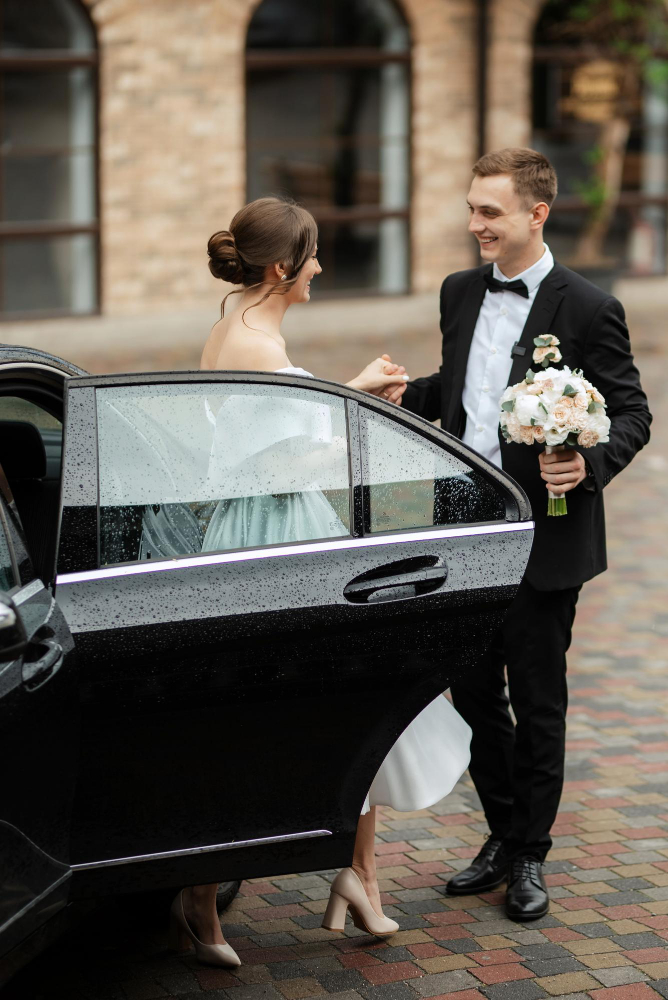
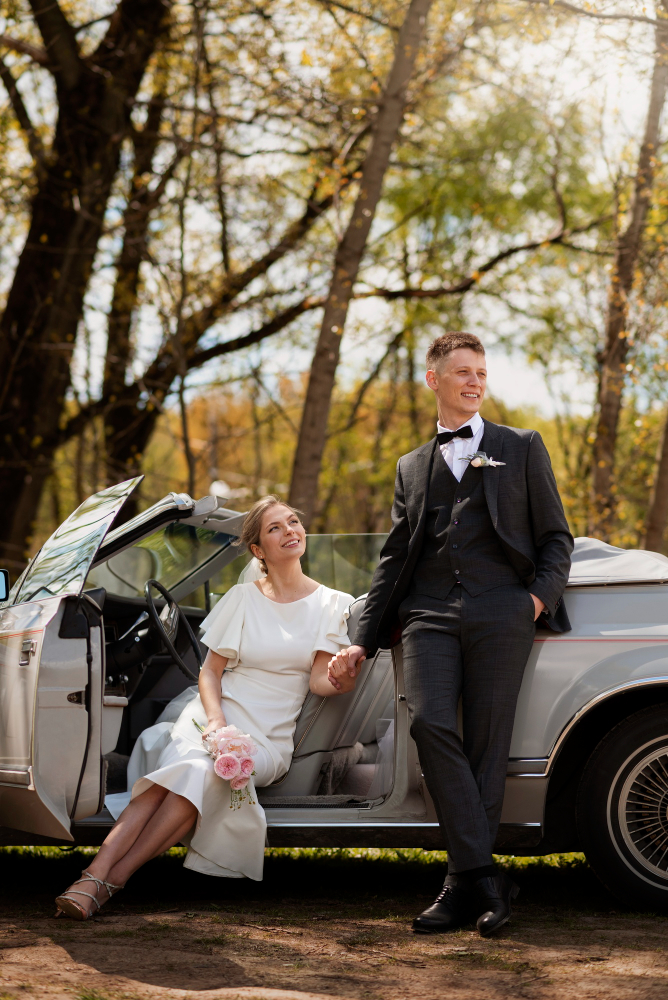
To begin this professional assessment, one must first pose a foundational question regarding the operational environment: Does the chosen limousine company possess demonstrated, intimate knowledge of navigating the time-sensitive movements within the Downtown West End’s high-traffic corridors, specifically during peak hours or concurrent public events? The answer to this inquiry is paramount, as a delayed arrival dueately to unfamiliarity with local traffic patterns or temporary restrictions can precipitate consequential disruptions to a carefully constructed timeline. Furthermore, consider the aesthetic dimension: Will the designated vehicle, whether a classic stretch limousine or a contemporary luxury SUV, complement the sophisticated architectural backdrop of the West End’s venues and provide an optimal setting for pre- and post-ceremony photographic documentation? The vehicle’s visual integration into the wedding’s overall design scheme must not be an afterthought, but a deliberate part of the planning.
II. The Imperative of Comprehensive Logistics Planning
The logistical blueprint of the wedding day dictates the technical requirements for the transportation service. The size of the bridal party, the bulk of the wedding attire—particularly the gown—and the necessity for auxiliary support personnel must all be quantified precisely.
Therefore, the second stage of inquiry must focus on capacity and scheduling: Given the precise count of passengers requiring simultaneous transit, what vehicle category—from a luxury sedan to an extended-capacity SUV or a specialized party bus—offers the most appropriate blend of spacious comfort, elegant design, and necessary logistical footprint for the West End environment? A vehicle that is excessively large may encounter difficulties with ingress and egress at smaller, boutique West End locations, while an undersized vehicle may compromise comfort and present a logistical impediment.
Moreover, the temporal aspects require rigorous clarification: Has the preliminary itinerary been meticulously reviewed to establish the exact duration of the service, including necessary buffers for unexpected delays, photographic stops at scenic locations like the seawall, and the final transfer to the reception venue or accommodation? Many professional services require a minimum booking period (often three to four hours) and calculate rates based on hourly usage (Source: Epic Limousine, The Knot). Understanding this contractual threshold is essential for accurate budget forecasting.
III. Scrutinizing the Service Provider: Beyond Geographic Scope
In this context, considering a named provider like “Whiskey Jack Limo,” whose publicly listed primary operational base appears to be Calgary, Alberta, introduces a critical line of questioning regarding geographic coverage and operational reach. While a company may offer inter-provincial or long-distance services, the integrity of a wedding day transfer relies heavily on localized expertise.
This leads to the crucial professional validation: For a company operating outside the immediate region, such as Whiskey Jack Limo, what specific evidence can they furnish demonstrating consistent, high-quality, and reliable service execution within the Greater Vancouver Area and, more specifically, the Downtown West End? The reliability of any service is inextricably linked to its operational maturity in the local environment (Source: Get Transportation, Winnie Couture). Further questioning should probe the dedicated fleet: Does the proposed vehicle physically reside in the Vancouver area, thus negating any possibility of delays caused by long-distance transit, unforeseen mechanical issues en route to the city, or logistical difficulties crossing provincial or international boundaries? A primary consideration must be the service provider’s capacity to deliver on their promise, irrespective of their originating location.
The quality of the chauffeur is also non-negotiable. What are the provider’s explicit protocols for the training, licensing, professional attire, and localized geographical knowledge of the designated chauffeur, ensuring they operate with the utmost discretion and punctuality? The chauffeur is the operational face of the entire luxury service and their competence directly impacts the couple’s experience.
IV. The Contractual and Financial Due Diligence
Finalizing the agreement necessitates a methodical review of the contract and associated financial obligations. Transparency in pricing and the clarity of the terms and conditions are hallmarks of a reputable provider.
A conscientious couple must therefore inquire: Is the provided quotation an all-inclusive figure, or does it exclude mandatory elements such as Goods and Services Tax (GST), a standard gratuity for the chauffeur, or potential surcharges for early-morning or late-night service? Discerning the total financial commitment before signing is a crucial step in professional planning. Furthermore, contingency planning is essential: What are the contractually defined policies for cancellation, modification of the itinerary, or, most critically, substitution of the specifically requested vehicle in the unlikely event of a mechanical failure on the wedding day? Reputable companies maintain contingency plans and readily communicate their policies for such eventualities.
The luxury wedding vehicle is more than simply a means of travel; it is a controlled environment for key moments of privacy, relaxation, and photographic capture on a day characterized by intense activity. By engaging in this rigorous, question-based professional assessment, the engaged couple moves beyond a mere transaction to forge a dependable partnership with a transportation provider, thereby ensuring that the elegance and precision planned for their Downtown West End wedding extend seamlessly from the first moment of their journey to the final farewell.